
How Do Heritage SEO Services Support Digital Marketing?
Jul 21, 2026


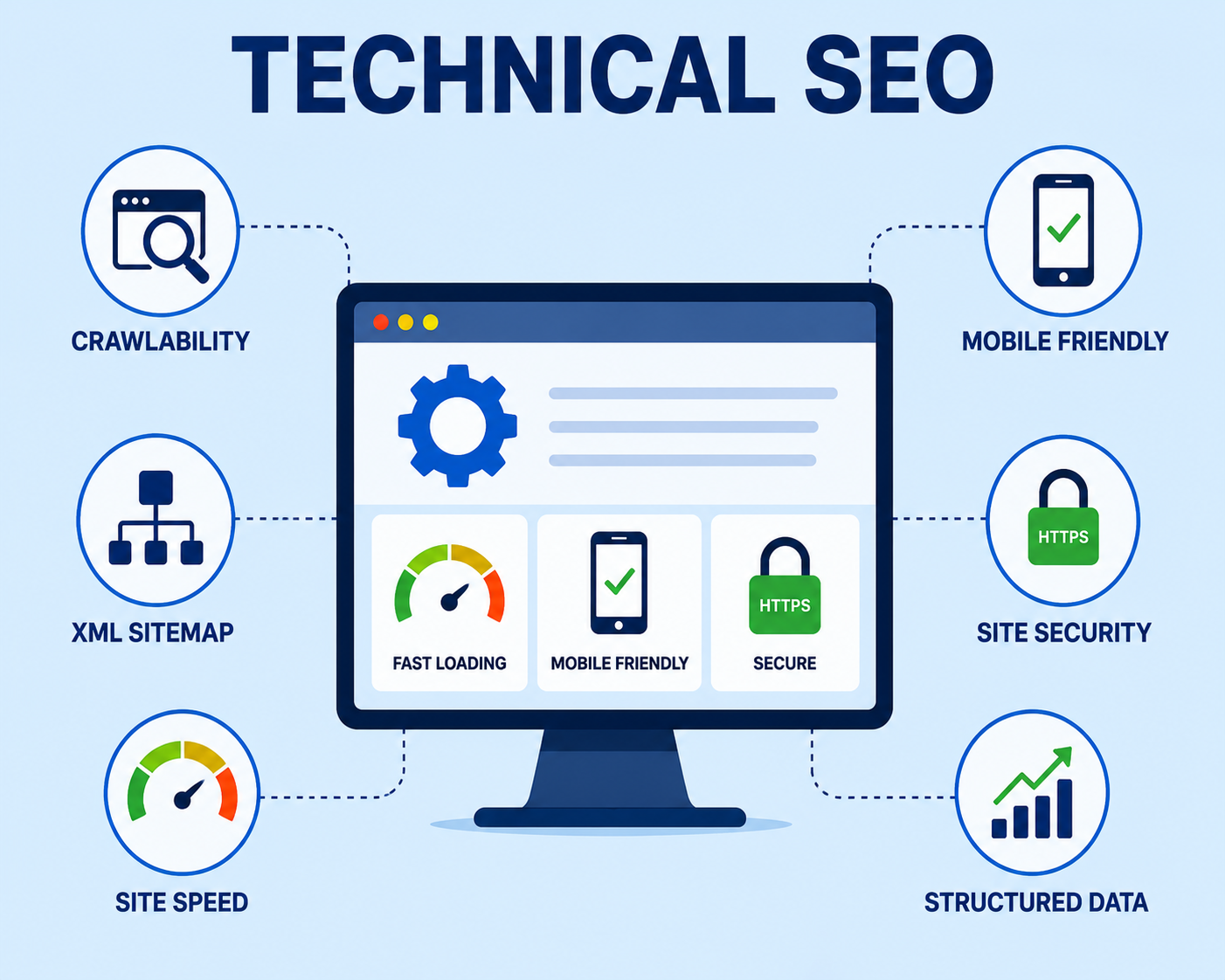
Heritage websites play a vital role in preserving history, culture, architecture, museums, historical landmarks, and traditional businesses. Whether the website represents a heritage organization, a restoration company, a cultural institution, or a historical attraction, its online presence should be as reliable as the legacy it represents. While attractive design and informative content are important, they alone cannot guarantee strong search engine visibility. This is where technical SEO becomes essential.
Technical SEO focuses on improving the technical foundation of a website so search engines can crawl, index, and understand its content efficiently. A well-optimized website delivers a better user experience, loads faster, and performs consistently across devices. When combined with quality content, technical optimization creates a strong platform for long-term organic growth.
Heritage websites often contain extensive collections of images, historical documents, timelines, and educational resources. Without proper optimization, these valuable assets can slow down the website and make it difficult for search engines to access important pages.
Technical SEO ensures that every important page is discoverable, loads efficiently, and provides a seamless experience for visitors. This improves both search engine rankings and user satisfaction.
Organizations investing in Heritage SEO Services gain a significant advantage because technical improvements support every other aspect of digital marketing.
Website speed is one of the most important ranking factors. Visitors interested in historical information or heritage projects expect pages to load quickly. If a website takes too long to display images or documents, users are more likely to leave before engaging with the content.
Optimizing images, reducing unnecessary code, enabling browser caching, and improving server response times help create a faster browsing experience. These improvements encourage visitors to stay longer and explore additional pages.
A technically optimized heritage website also performs better during periods of increased traffic, such as special events, exhibitions, or seasonal tourism campaigns.
Search engines rely on automated crawlers to understand website content. Poor website structure, broken links, duplicate pages, or missing XML sitemaps can prevent important information from being indexed.
Professional Heritage SEO Services for historical organizations and cultural websites help resolve these technical challenges by creating a logical site structure and ensuring search engines can access valuable content efficiently.
When every important page is properly indexed, the chances of appearing in relevant search results increase substantially.
Most users now browse websites on smartphones and tablets. Whether someone is searching for a heritage museum, historical landmark, or restoration expert, they expect a responsive website that works smoothly on every device.
Technical SEO includes responsive design improvements, mobile usability testing, and layout optimization. A mobile-friendly website not only satisfies visitors but also supports higher rankings in search engine results.
Businesses that invest in Heritage SEO Services often notice increased engagement because users can easily navigate the website regardless of screen size.
Security is another critical technical SEO factor. Visitors expect websites to protect their personal information, especially when making donations, booking tours, or submitting inquiries.
Using HTTPS encryption creates a secure browsing environment while also serving as a positive ranking signal. Search engines prioritize secure websites because they provide greater protection for users.
Regular maintenance, software updates, and security monitoring also reduce the risk of technical issues that could affect search performance.
Many heritage websites include information about events, locations, historical buildings, exhibitions, and educational programs. Structured data helps search engines interpret this information more accurately.
Schema markup can generate rich search results that display additional information such as event dates, business details, reviews, and frequently asked questions. These enhanced search listings often attract higher click-through rates.
Technical SEO ensures structured data is implemented correctly so search engines can present your content more effectively.
Technical issues may not always be visible to website visitors, but they can significantly impact search rankings.
Common problems include:
Regular technical audits identify these issues before they negatively affect website performance. Many organizations choose Heritage SEO Services because ongoing monitoring keeps their websites healthy and competitive.
Unlike short-term marketing campaigns, technical SEO provides lasting value. Once the website foundation is properly optimized, future content has a much stronger chance of ranking well in search engines.
Adding new articles, historical resources, galleries, or educational materials becomes more effective because search engines can quickly crawl and index the new pages.
Technical optimization also supports local SEO, helping heritage organizations reach visitors searching for nearby historical attractions, museums, preservation services, or cultural experiences.
Technical SEO involves many specialized tasks that require experience and continuous monitoring. From website audits to crawl optimization and performance improvements, working with professionals helps ensure nothing is overlooked.
Technical SEO is the backbone of every successful heritage website. It helps search engines understand your content, improves user experience, strengthens website security, and increases organic visibility. While engaging content tells your story, technical optimization ensures people can actually find it.
A well-maintained website supports long-term growth, attracts more qualified visitors, and helps heritage organizations continue sharing their valuable history with future generations. Investing in technical improvements today creates a stronger digital presence for years to come.
What is technical SEO?
Technical SEO focuses on improving the backend elements of a website so search engines can crawl, index, and rank pages more efficiently.
Why is technical SEO important for heritage websites?
Heritage websites often contain extensive media, historical archives, and educational resources. Technical SEO ensures these valuable pages remain accessible, fast, and search-engine friendly.
How often should a technical SEO audit be performed?
A comprehensive technical audit is generally recommended every few months, with continuous monitoring to identify and resolve issues as they arise.
Does website speed affect search rankings?
Yes. Faster websites provide a better user experience and are more likely to perform well in search engine rankings.
Can technical SEO increase website traffic?
Yes. By improving crawlability, indexing, page speed, mobile usability, and overall website health, technical SEO creates better opportunities for higher search rankings and increased organic traffic.